
- CD/DVD drives are disappearing from computers, leaving USB storage as the only option when re-installing an operating system. The process is fairly painless and, if you have a bit of time and patience you can complete the task on a Mac.
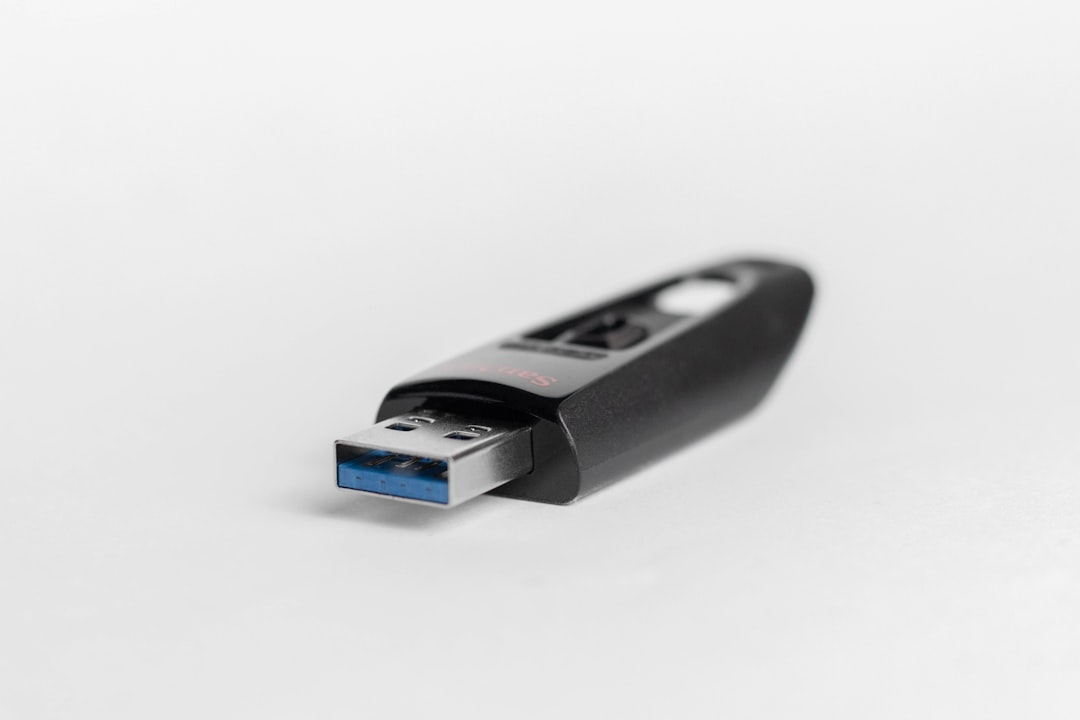
- How to Boot Mac from USB Media. After creating a bootable USB drive, the user simply needs to plug the created drive into the open port on the Mac. Here are the steps to boot Mac from the USB flash drive: Power on the system. Press and hold the Option (Alt) key on the keyboard when the computer starts.
- Boot Usb Mac Windows Keyboard
- Boot With Usb Mac Bootable
- Boot Usb Macbook Pro 2009
- Boot With Usb Keyboard
- Boot Usb Macbook Air
Boot Camp Assistant helps you install Windows on your Intel-based Mac. The installation process depends on your Mac model. You might need a USB drive.
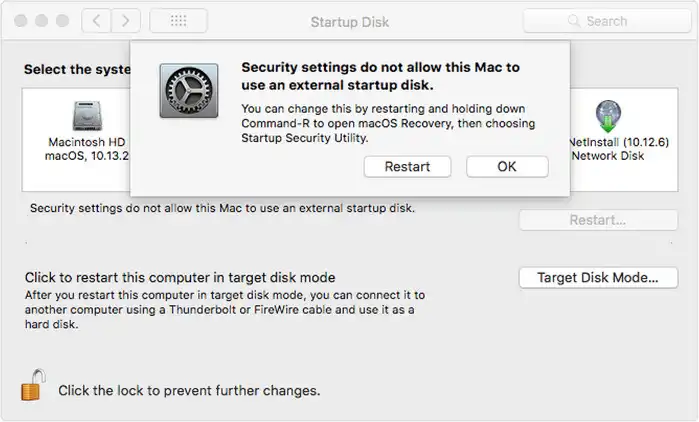
You set your Mac or Macbook which disk to start up from when more than one startup disk is connected. This works for USB drives including the NinjaStik
Boot Usb Mac Windows Keyboard
For 2018 to 2020 Macs with the Secure Boot T2 Chip, see the 2020 Macbook Pro Boot from USB instructions.
A “startup disk” is a volume or partition of a drive that contains a bootable operating system.
Download the latest from Windows, Windows Apps, Office, Xbox, Skype, Windows 10, Lumia phone, Edge & Internet Explorer, Dev Tools & more.
You can set your Mac to automatically use a specific startup volume, or you can temporarily override this choice at startup.
- From the Apple menu choose System Preferences.
- Click the Startup Disk icon in System Preferences, or choose View > Startup Disk.
- Select your startup disk from the list of available volumes.
The next time you start up or restart your computer, your Mac starts up using the operating system on the selected volume.
Temporarily change your startup disk with Startup Manager
Startup Manager allows you to pick a volume to start from while the computer is starting up.
Mac os catalina compatible. Use these steps to choose a startup disk with Startup Manager:

- Turn on or restart your Mac.
- Immediately press and hold the Option key. After a few seconds, the Startup Manager appears. If you don’t see the volume you want to use, wait a few moments for Startup Manager to finish scanning connected drives.
- Use your mouse or trackpad, or left and right arrow keys to select the volume you want to use.
- Double-click or press the Return key to start up your Mac from the volume you selected.
If you have an optical drive connected to your computer, you can insert an installation disc to see it in Startup Manager. You can also attach FireWire or USB external hard drives that contain an operating system to add to the list of startup volumes.
Startup Manager automatically adds bootable volumes as you connect them.
Restart in OS X from Boot Camp
If you have started up your Mac in Windows using Boot Camp, you can use the Boot Camp system tray to switch your startup disk default back to OS X.
- In Windows, click the Boot Camp icon in the system tray.
- From the menu that appears, choose Restart in OS X.
Boot With Usb Mac Bootable
Start from OS X Recovery
You can also start your Mac from OS X Recovery or Internet Recovery if your Mac was manufactured after 2011.
To start your Mac from the Recovery System, use these steps:
Boot Usb Macbook Pro 2009
- Start up or restart your computer.
- Hold down the Command and R keys on your keyboard until you see the Apple logo appear onscreen.
If you don’t see a volume listed
If you don’t see the volume you want to start your computer from, check the following:

Boot With Usb Keyboard
- If you’re using an external drive, make sure it’s connected and turned on.
- Make sure you’ve installed an operating system, like OS X or Windows on the drive you’re trying to start from. Volumes that don’t contain a valid operating system aren’t listed in Startup Disk or Startup Manager.
- If you’ve installed an operating system on a drive but it isn’t listed, the volume you’re trying to start from might need repair. If the volume contains OS X, start your computer from OS X Recovery and use Disk Utility to repair the volume, or reinstall OS X on the volume using the Recovery System.
- Depending on the Mac you are using and the version of OS X that is installed, the Recovery System volume (Recovery HD) might not show up in Startup Manager. Press Command-R during startup to start your Mac from the Recovery System.
Boot Usb Macbook Air
For 2018 / 2019 Macbook Pro with the Secure Boot T2 Chip, see the 2018 Macbook Pro Boot from USB instructions.